How Poor Installation Leads to Future Gutter Repair
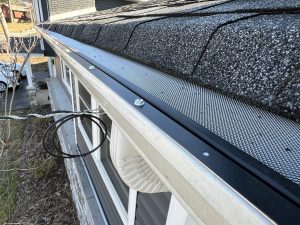


Most homeowners notice gutters only when something goes wrong. Water spills over the edge in a storm, a corner starts to sag, paint begins to peel near the fascia, or a wet strip appears along the foundation after heavy rain. By that point, the problem rarely starts with age alone. More often, the trouble goes back to the day the system was installed.
That matters because gutters are simple only at a glance. They look like long channels attached to the roofline, but they work as part of a drainage system that has to manage weight, flow, slope, debris, fasteners, roof runoff, and the structure behind them. If any of those pieces are set up poorly, the system begins wearing itself out long before it should. The eventual result is not just nuisance overflow. It is rot, movement, leaks, detached sections, and repeated Gutter Repair that could have been avoided with better workmanship from the start.
I have seen this pattern on older homes, new builds, rental properties, and even high-end custom houses. The materials are often blamed first, but installation errors are usually the real story. A decent gutter, mounted badly, will fail sooner than a premium gutter installed with care.
The hidden cost of getting the basics wrong
Poor installation does not always create immediate drama. In fact, the worst installs often look acceptable for the first season or two. The line appears straight from the driveway. Water seems to disappear into the downspouts during a mild rain. The homeowner assumes the job is done correctly.
Then weather tests the system. A hard summer thunderstorm sends roof runoff faster than expected. A winter freeze traps standing water in a low spot. Wet leaves collect where slope is off by a fraction. The hangers begin taking extra load. The fascia behind the gutter stays damp longer than it should. Fasteners loosen. Seams open. By the time the symptoms show up at eye level, the underlying stress may have been building for years.
That delayed timeline is one reason bad installation causes so much confusion. People think gutters “just wear out,” when in many cases they wear out unevenly because they were installed to fail in predictable ways.
Slope errors, the small mistake that keeps multiplying
If I had to pick one installation issue that causes the most future Gutter Repair, it would be incorrect pitch. Gutters need a subtle slope toward the downspouts so water keeps moving. Too little slope, and water sits. Too much, and the gutter can look awkward while still rushing water too aggressively toward one outlet.
A proper pitch is not something most people can judge from the ground. It has to be laid out carefully. Installers who rush often rely on eye judgment or old marks instead of measuring each run. That is where the trouble starts.
Standing water is hard on every part of the system. It adds weight the hangers were not meant to carry continuously. It encourages corrosion in steel components and grime buildup in aluminum systems. In colder climates, it creates ideal conditions for freeze-thaw stress. A gutter that should empty after a storm stays partially full, and that extra load works like a slow pry bar against the fascia.
I once looked at a two-story home where the owner thought the issue was poor leaf protection. Water was dripping from several joints and one corner had dropped nearly an inch. The guards were not the real problem. The gutter had been installed almost flat across a long front run, and one section actually pitched away from the downspout. The guards simply hid the standing water until the seams began to fail. What looked like multiple separate defects was really one installation mistake repeating itself in different forms.
Hanger spacing and fastening, where support either exists or it doesn’t
A gutter full of water gets heavy quickly. Add wet leaves or small branches and that load rises fast. That is why hanger spacing matters. So does the way each hanger is fastened into the structure.
When hangers are spaced too far apart, the gutter flexes between them. At first the movement is slight. Over time, the front edge begins to wave, low points form, and water starts collecting in those dips. Now the system is not just under-supported, it is holding extra water because it has changed shape. That makes the load even worse.
The fastening point matters just as much. Screws driven into rotten fascia, thin trim, or poorly aligned backing never develop the holding power they need. In some hurried installations, fasteners miss the solid wood entirely. Everything seems secure on day one. After a season of expansion, contraction, and wind, sections loosen and begin pulling away.
This is one of the clearest links between installation quality and future Gutter Repair. Homeowners often pay to have spikes replaced with screws, corners re-secured, or sagging runs rehung, not because the gutter system was old, but because it was never anchored correctly in the first place.
Bad seams, bad outlets, and the myth of “a little caulk will fix it”
Many gutter leaks are blamed on failed sealant. That is only partly true. Sealant fails more often when the seam or outlet was assembled badly to begin with.
At joints, installers need clean surfaces, proper overlap or connection, and good alignment. If the sections are twisted, forced together, or left carrying too much movement, the sealant becomes the only thing holding the joint watertight. That is asking too much from any product. Sun, heat, cold, water exposure, and debris abrasion will eventually break that bond down.
Downspout outlets can be just as problematic. A rough-cut opening, a poorly seated drop outlet, or an undersized transition creates turbulence right where flow should be smoothest. Debris catches there first. Water backs up there first. Leaks appear there first.
People are often surprised to learn that repeated seam leaks can point back to structural stress rather than simply “old caulk.” If the run is under-pitched, over-spanned, or pulling away from the house, the joints keep shifting. Resealing without correcting the installation defect is a temporary patch, not a repair strategy.
When the wrong gutter size creates chronic overflow
Not every installation problem is visible in the workmanship alone. Sometimes the issue is sizing. A gutter can be neatly mounted and still perform poorly if it was undersized for the roof area, roof pitch, valley concentration, or local rainfall patterns.
This is especially common on additions and roof replacements. A home that once handled average runoff may no longer drain well after the roof geometry changes. A steep roof dumps water faster. A long valley concentrates flow into one spot. A wider roof plane increases total runoff. If the installer uses a standard size out of habit rather than matching the system to the house, overflow is almost guaranteed during heavy storms.
Overflow does more than wet the flower bed. It saturates fascia boards, stains siding, washes out soil, and can push water toward the foundation. The homeowner then calls for Gutter Repair because the system “leaks,” when the real issue is that the gutter never had enough https://lorenzovlfp452.juniperbrief.com/posts/how-often-should-you-schedule-gutter-repair-inspections capacity.
There is also a trade-off here. Bigger is not always better if the larger system is installed poorly or if the downspout layout still chokes drainage. Capacity and layout have to work together.
Downspout placement, where water goes after it leaves the gutter
A gutter run is only as effective as its exits. Poor downspout placement creates problems even when the trough itself is well made.
Too few downspouts force long runs to carry more water than they should. That increases the chance of overflow, especially near valleys. Downspouts placed at awkward points can leave long dead zones where debris settles and water slows down. On some homes, installers place outlets where it is easiest to work from the ladder rather than where the roof drainage pattern actually demands them.
I have seen corners where two roof sections emptied into a short stretch of gutter with a single undersized downspout at the far end. Every major storm produced a temporary waterfall over the edge. The owner kept replacing splash blocks and extending discharge piping, but the real fix was upstream. The system needed better collection and discharge, not another accessory at ground level.
Poor discharge at the bottom of the downspout also leads to repair work people do not immediately connect to the gutter system. If water exits too close to the foundation, it can saturate the soil and create movement that affects porches, walkways, or basement walls. In colder climates, icy discharge zones can cause backups that travel upward into the system. The gutter then takes blame for drainage problems that began with bad planning at installation.
Fascia condition, the part too many installers ignore
A gutter is attached to something, and that something has to be sound. One of the most expensive mistakes in gutter work is hanging new material on compromised fascia or rafter tails.
This happens more than homeowners realize. An installer removes an old system, sees soft wood, and proceeds anyway because replacing fascia adds time and cost. The new gutter goes up on a weak substrate, holds for a while, and then starts loosening. The homeowner assumes the new system was defective. In reality, it never had a solid foundation.
This matters because moisture damage behind gutters tends to stay hidden. Overflow from the previous system, years of trapped debris, or roof edge leaks may already have weakened the mounting surface. Good installers probe suspect areas, explain what they find, and refuse to anchor into rot. Poor installers keep moving.
Future Gutter Repair on these homes often turns into carpentry. The repair crew arrives expecting to rehang a section and discovers the board behind it is crumbling. What should have been routine maintenance becomes fascia replacement, repainting, and sometimes roof edge work as well.
Common signs the original installation was flawed
Some gutter problems point strongly to installation defects rather than ordinary wear. A few patterns show up again and again on service calls:
- sagging between hanger points, especially on relatively new systems
- standing water that remains a day or more after rain
- repeated seam or corner leaks after prior resealing
- fasteners backing out or spikes loosening along one run
- overflow concentrated near valleys or mid-run low spots
These symptoms do not always mean the entire system was installed badly, but they are reliable clues. When several appear together, it is worth looking past the surface repair and evaluating pitch, support, capacity, and fastening.
Roof edge details that sabotage gutters from day one
Sometimes the gutter itself is not the only installation problem. The roof edge condition can set the system up to struggle.
Drip edge placement is a good example. If the drip edge does not direct water cleanly into the gutter, runoff can curl behind it. That wets the fascia, causes staining, and can mimic a gutter leak. Homeowners often pay for repeated sealing or reattachment when the water path from the roof was never corrected.
Shingle overhang matters too. If shingles extend too far, water can overshoot in certain conditions or debris can drop awkwardly into the trough. If they do not extend far enough, water may track back under the edge during capillary flow, especially in light rain. The interaction between the roof edge and the gutter is subtle, but when it is wrong, repair work tends to recur.
This is where experience matters. A crew focused only on hanging metal may miss the roof details causing the problem. A better diagnosis asks how the whole edge drains, not just whether the gutter holds water.
Cheap shortcuts that become expensive call-backs
There are installation shortcuts that almost guarantee future service calls. The frustrating part is that many of them save very little time in the moment.
Using too few hangers is one. Skipping fascia inspection is another. So is installing a long run with minimal slope because it is faster to snap one line than to plan around roof geometry and outlet location. I have also seen crews reuse questionable downspouts, leave old sealant contamination at seams, or cut outlets with rough edges that catch debris immediately.
These choices create a false economy. The original job may come in at a lower price, but the homeowner pays later through repeated repairs, water damage, or premature replacement. On paper, the first invoice looked cheaper. Over five to ten years, it often becomes the most expensive option.
That is why the lowest bid on gutters deserves scrutiny. Materials can be similar across estimates. The real difference often lies in preparation, layout, fastening, and whether the contractor plans for drainage rather than appearance alone.
Why repairs often fail when the root cause is still in place
One reason Gutter Repair can feel frustrating is that many repairs address the symptom, not the installation defect beneath it.
A leaking corner gets sealed, but the run still sags toward that corner and holds water. A loose section gets re-screwed, but the fascia remains soft. A clog-prone outlet gets cleaned, but the downspout count is still inadequate for the roof area. A splash block gets replaced, but discharge still dumps too close to the foundation.
These fixes are not useless. Some are necessary as short-term measures. The problem is that they do not last when the stress pattern remains unchanged. The gutter system keeps trying to fail in the same place because nothing about the water movement or support structure has improved.
That is why a good repair technician spends time diagnosing, not just patching. The best service calls often involve difficult conversations. Sometimes the honest answer is that the homeowner does not need another seam resealed. They need part of the system re-pitched, re-supported, or redesigned.
What proper installation looks like in practice
Good gutter installation is not mysterious, but it is deliberate. The crew checks the fascia and roof edge before fastening anything. They plan slope around realistic outlet locations. They support the run consistently. They size the system for the roof, not just for standard inventory. They think about how valleys dump water, how leaves will move, how ice may form, and where discharge will end up on the ground.
A well-installed system also looks calm in operation. Water enters without overshooting. It moves quietly toward outlets. The gutter line stays straight through the seasons. Fasteners remain tight. Seams stay dry except during cleaning or unusual storm conditions. Years later, maintenance tends to involve clearing debris and checking sealant at normal intervals, not repeated structural correction.
That kind of performance is not luck. It comes from respecting the fact that gutters are hydraulic systems attached to a building envelope, not decorative trim.
How homeowners can reduce the risk before problems start
Most homeowners will never install their own gutters, but they can ask better questions before hiring a contractor. The goal is not to become a technical expert overnight. It is to find out whether the installer is thinking past the sale.
A few questions reveal a lot:
- How will you determine slope and downspout placement on each run?
- What hanger spacing do you use, and what do you fasten into?
- Will you inspect fascia condition before installation and document any damage?
- How are you sizing the gutter and downspouts for this roof area and valley load?
- What part of the system do you expect to need maintenance first, and why?
A competent contractor usually answers these comfortably and specifically. Vague replies are a warning sign. So is an estimate that focuses heavily on color and material but says little about layout, support, or drainage.
When repair is enough, and when replacement makes more sense
Not every installation-related issue means starting over. If the gutter material is still in good condition, a targeted correction can make sense. Rehanging a run with the right pitch, adding support, relocating an outlet, or replacing rotten fascia behind one section may restore proper function.
But there is a point where repeated Gutter Repair stops being cost-effective. If a system has multiple slope failures, chronic seam leaks, poor sizing, and widespread support issues, piecemeal fixes can become a running bill without a durable result. At that stage, replacement is often the smarter financial decision, provided the new installation actually corrects the original design flaws.
That distinction matters. Replacement without better planning simply resets the clock on the same problems. The homeowner pays twice and still ends up with callbacks.
The long view on gutter performance
A properly installed gutter system can last many years with ordinary maintenance. An improperly installed one begins accumulating hidden stress almost immediately. That stress does not stay hidden forever. It shows up as leaks, clogs, sagging, overflow, wood rot, foundation moisture, and a steady need for Gutter Repair that feels disproportionate to the age of the system.
When homeowners understand that connection, they make better decisions. They stop treating every leak as an isolated annoyance and start asking why the water is misbehaving in the first place. Contractors who take the same view tend to deliver better results, because they are solving drainage problems rather than selling metal lengths by the foot.
That is the real lesson behind future gutter failures. Most of them do not begin with weather, leaves, or time alone. They begin with installation choices, some obvious, some subtle, made long before the first repair call.
Just Gutters LLC
262 Main St
Hackettstown, NJ 07840, United States
Phone: +1 201-331-9454
FAQ About Gutter Repair
Is it cheaper to repair or replace gutters?
Repair can cost less when damage is limited and the remaining system is sound. Replacement may offer better value when leaks, corrosion, or repeated failures affect several sections. An inspection and written estimate can help compare the options.
Can damaged gutters be repaired?
Many localized problems, including leaking joints, loose brackets, sagging sections, and damaged downspout connections, can be repaired. The best approach depends on the material, extent of damage, and condition of the mounting surface.
Can I repair gutters myself?
Simple ground-level checks may help identify a problem, but roof-edge work carries fall risks and may require specialized tools. Professional assessment is advisable for high gutters, loose sections, hidden wood damage, or uncertain drainage problems.